
Разгледайте нашите категории икони

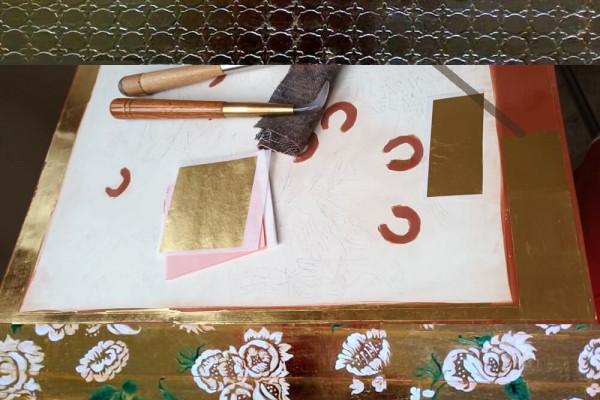
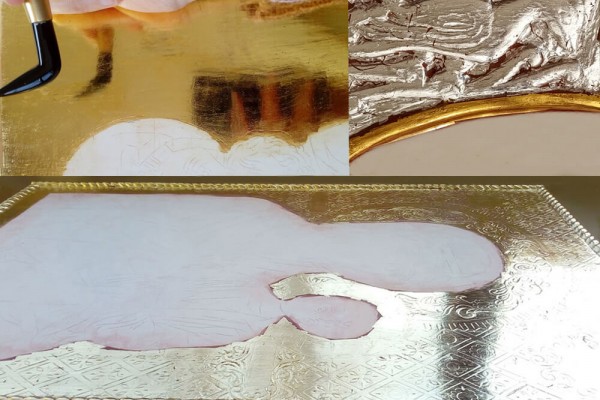
Съкращението „24 карата“ съответства на най-високата проба златен лист..
Най-нови продукти
Нов
Икона „Свети Николай Чудотворец спасява кораба от потопа“ - ръчно рисувана с 24-каратова полирана позлатаИконата на Свети Николай Чудотворец е из..
214.00€
Без данък:214.00€
Нов
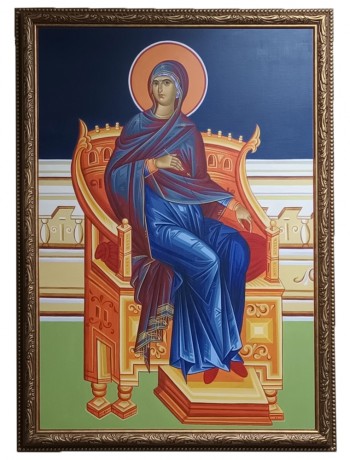
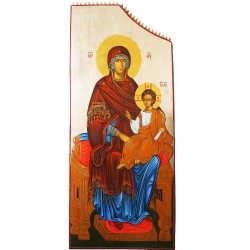
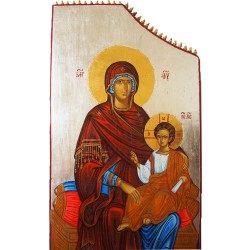
Икона „Света Богородица на трон“ - ръчно рисувана със сребро 925 и 24-каратова полирана позлатаИкона „Света Богородица на трон“ е впечатляващо произве..
700.00€
Без данък:700.00€
Нов
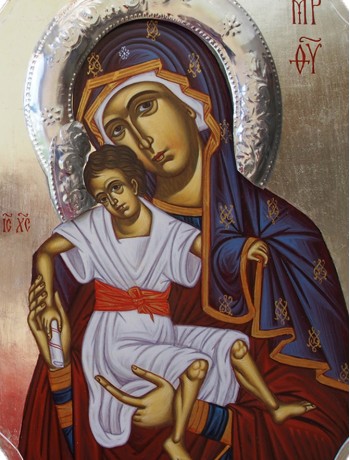
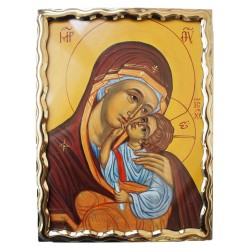
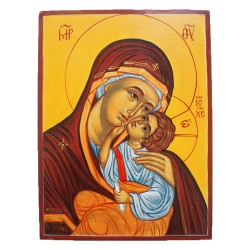
Икона „Света Богородица Умиление“ - ръчно рисувана, в метална рамкаИконата „Света Богородица Умиление“ е нежно и дълбоко духовно изображение, изпълнен..
170.00€
Без данък:170.00€
Нов
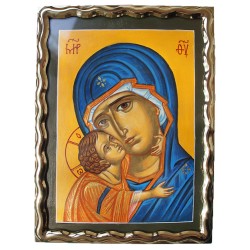
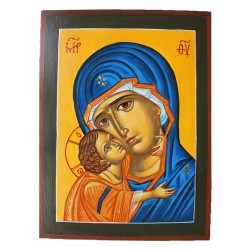
Икона „Владимирска Света Богородица“ - ръчно рисувана в златиста метална рамкаИконата на Владимирската Света Богородица представя един от най-разпозна..
170.00€
Без данък:170.00€
Нов
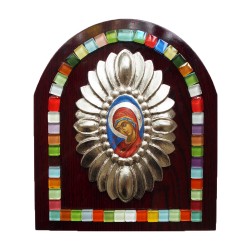
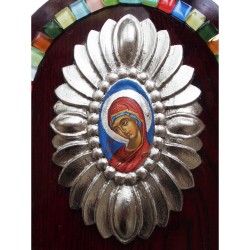
Икона „Света Богородица“ – ръчно рисувана миниатюра, с полирано бяло злато и сребро 925, върху основа с дърворезбаМиниатюрното изображение ..
100.00€
Без данък:100.00€
Нов
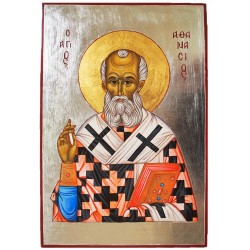
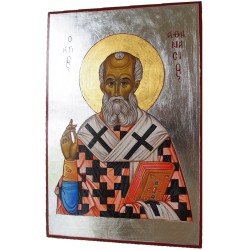
Икона „Свети Атанасий Велики“ - ръчно рисувана, с 24-каратова позлата и сребро 925Иконата представя допоясно изображение на Свети Атанасий, изписан въ..
300.00€
Без данък:300.00€
Нов
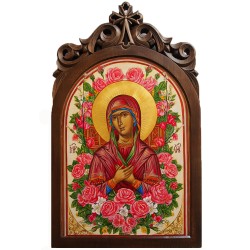
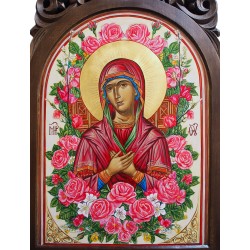
Икона „Света Богородица Неувяхващ Цвят“ - ръчно рисувана върху дърворезбована основаИкона на Света Богородица, изписана в традицията на Православното ..
850.00€
Без данък:850.00€
Нов
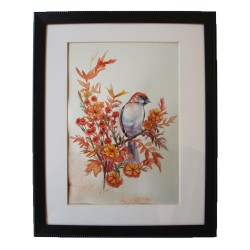
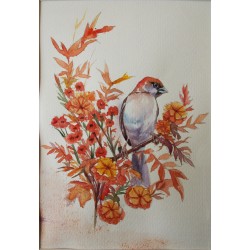
Картина "Зеброва чинка" - акварел, оригинална авторска творба върху картон, ръчно рисувана Материали:
Подбрана масивна мета..
46.50€
Без данък:46.50€
Нов
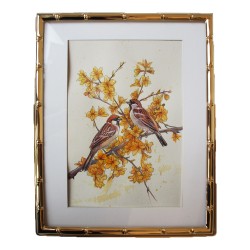
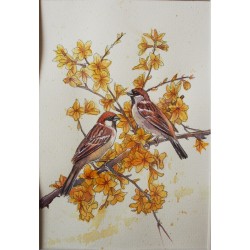
Картина "Врабчета" - акварел, оригинална авторска творба върху картон, ръчно рисувана Материали:
Подбрана масивна метална р..
46.50€
Без данък:46.50€
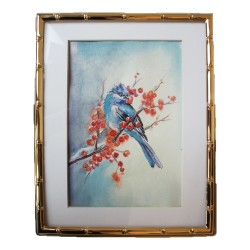
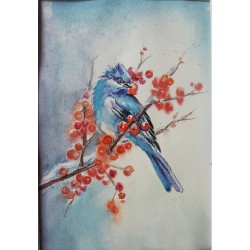
Нов
Картина "Синя сойка" - акварел, оригинална авторска творба върху картон, ръчно рисуванаМатериали:
Подбрана масивна метална рамка в злат..
46.50€
Без данък:46.50€
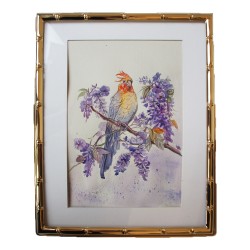
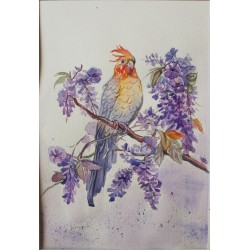
Нов
Картина "Какаду" - акварел, оригинална авторска творба върху картон, ръчно рисувана Материали:
Подбрана масивна метална рам..
46.50€
Без данък:46.50€
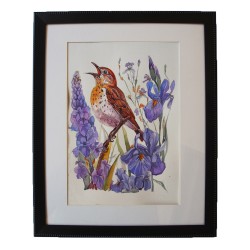
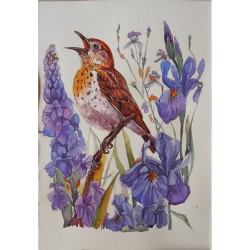
Нов
Картина "Европейски поен дрозд" - акварел, оригинална авторска творба върху картон, ръчно рисувана Материали:
Подбрана маси..
46.50€
Без данък:46.50€
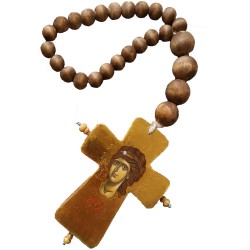
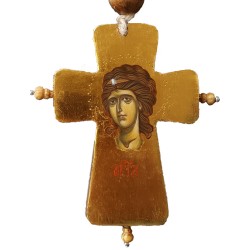
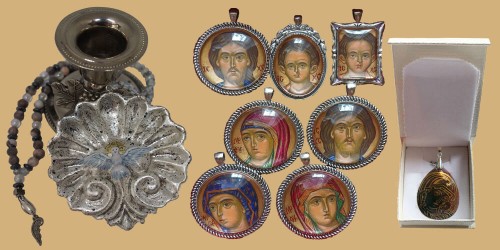
Броеница с ръчно изписан образ на Ангел-Хранител и 24-каратова позлатаТази броеница е изработена с благоговение и внимание към всеки детайл, за да бъд..
92.03€
Без данък:92.03€
Броеница с ръчно изписан
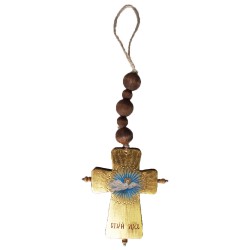
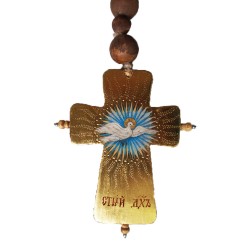
образ на Светия Дух и 24-каратова позлатаТази броеница е
изработена с благоговение и внимание към всеки детайл, за да бъде ..
86.92€
Без данък:86.92€
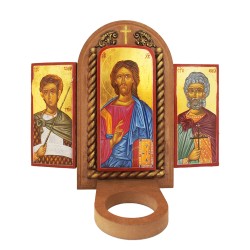
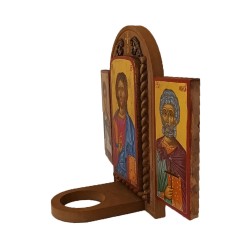
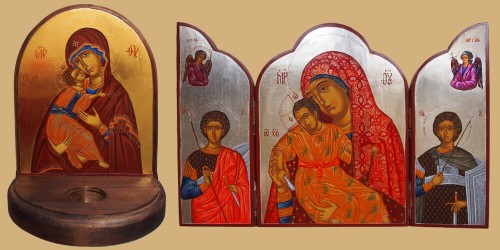
Домашен иконостас с Христос Вседържител, Свети Димитър и Свети Мина – ръчно рисуван с 24-каратова полирана позлатаМалкият домашен иконостас е три..
245.42€
Без данък:245.42€
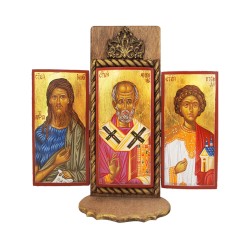
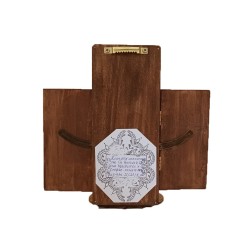
Домашен иконостас със Свети Николай, Свети Йоан Кръстител и Свети Стефан – ръчно рисуван с 24-каратова полирана позлатаМалкият домашен иконостас ..
245.42€
Без данък:245.42€
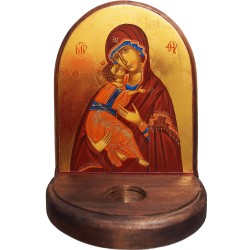
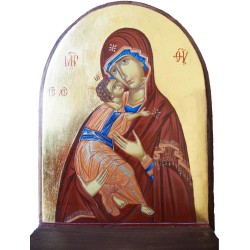
Домашен иконостас „Света Богородица Владимирска“ – ръчно рисуван с 23-каратова полирана позлатаВладимирската Света Богородица, известна още като ..
280.00€
Без данък:280.00€
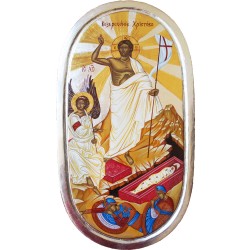
Икона „Възкресение Христово“ – ръчно рисувана със сребро и 24-каратова полирана позлатаТова е икона на славното Възкресение Христово. В центъра е обра..
500.00€
Без данък:500.00€
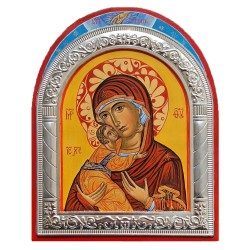
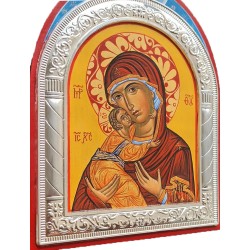
Икона „Владимирска Света
Богородица“ – ръчно рисувана върху дървена основа с 24-каратова позлата и посребрен релефВладимирската Света Богор..
153.39€
Без данък:153.39€
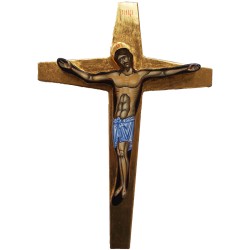
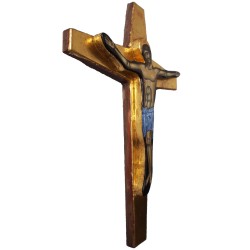
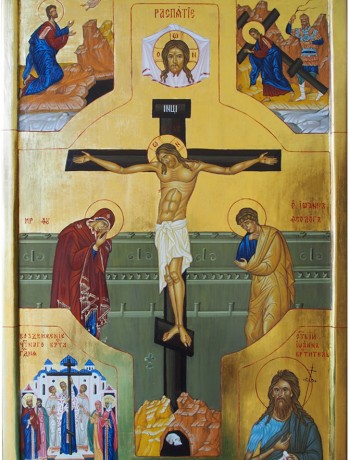
Икона "Разпятие Христово" - ръчно рисувана с 24-каратова полирана позлатаДървеното Разпятие е изработено от висококачествено, плътно дърво с фина ръчн..
189.18€
Без данък:189.18€
Икони с позлата 24к
Броеница с ръчно изписан образ на Ангел-Хранител и 24-каратова позлатаТази броеница е изработена с благоговение и внимание към всеки детайл, за да бъд..
92.03€
Без данък:92.03€
Броеница с ръчно изписан
образ на Светия Дух и 24-каратова позлатаТази броеница е
изработена с благоговение и внимание към всеки детайл, за да бъде ..
86.92€
Без данък:86.92€
Домашен иконостас с Христос Вседържител, Свети Димитър и Свети Мина – ръчно рисуван с 24-каратова полирана позлатаМалкият домашен иконостас е три..
245.42€
Без данък:245.42€
Домашен иконостас със Свети Николай, Свети Йоан Кръстител и Свети Стефан – ръчно рисуван с 24-каратова полирана позлатаМалкият домашен иконостас ..
245.42€
Без данък:245.42€
Домашен иконостас „Света Богородица Владимирска“ – ръчно рисуван с 23-каратова полирана позлатаВладимирската Света Богородица, известна още като ..
280.00€
Без данък:280.00€
Икона „Възкресение Христово“ – ръчно рисувана със сребро и 24-каратова полирана позлатаТова е икона на славното Възкресение Христово. В центъра е обра..
500.00€
Без данък:500.00€
Икона „Владимирска Света
Богородица“ – ръчно рисувана върху дървена основа с 24-каратова позлата и посребрен релефВладимирската Света Богор..
153.39€
Без данък:153.39€
Икона "Разпятие Христово" - ръчно рисувана с 24-каратова полирана позлатаДървеното Разпятие е изработено от висококачествено, плътно дърво с фина ръчн..
189.18€
Без данък:189.18€
Икони по поръчка
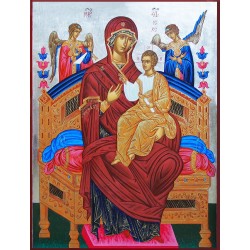
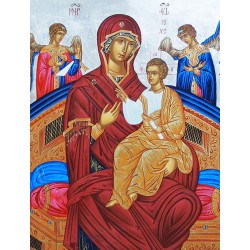
С поръчка
Икона „Света Богородица Всецарица“- ръчно рисувана със сребро 925Иконата се изработва по
поръчка.На иконата е изобразена Света..
0.00€
Без данък:0.00€

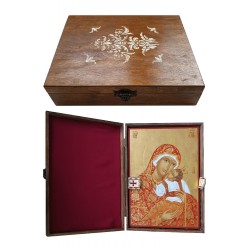
С поръчка
Икона „Света
Богородица Умиление“ в дървена кутия - авторска реплика на гръцки оригинал в духа на
Италианското Треченто (XIV в.), ръчно рисувана с 2..
0.00€
Без данък:0.00€
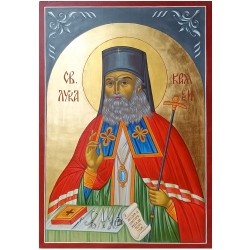
С поръчка
Икона „Свети
Лука Кримски“ - ръчно рисувана с 24-каратова
полирана позлатаИконата се изработва по
поръчка.Иконата на Свети Лука К..
0.00€
Без данък:0.00€
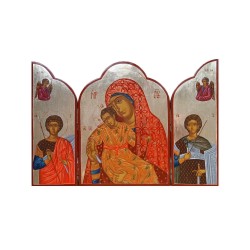
С поръчка
Домашен иконостас „Кикоска Света
Богородица със Свети Георги, Свети Димитър и ангели“- ръчно рисуван с полирано сребро, проба 925Иконо..
0.00€
Без данък:0.00€
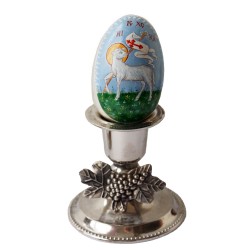
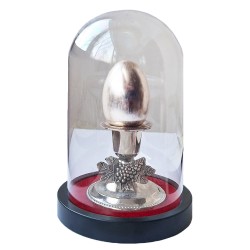
С поръчка
Икона "Божия агнец" върху дървено яйце - ръчно рисувана със
сребро, проба 925Иконата се изработва по
поръчка.Икона с традиционна Православна символи..
0.00€
Без данък:0.00€

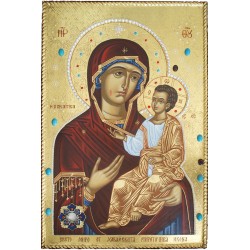
С поръчка
Икона „Иверската Света Богородица“- ръчно рисувана с 24-каратова полирана
позлата върху дърворезбована основаИконата се изработва по
поръч..
0.00€
Без данък:0.00€
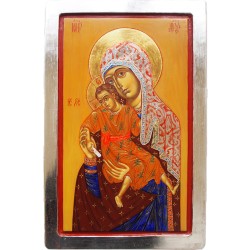
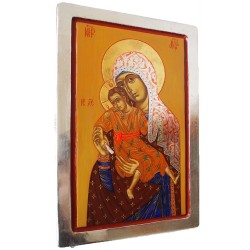
С поръчка
Икона "Кикоска Света Богородица" - ръчно рисувана със сребро 925 и 24-каратова полирана
позлатаИконата се изработва по
поръчка.Иконата на Кикоската ..
0.00€
Без данък:0.00€
Нов
С поръчка
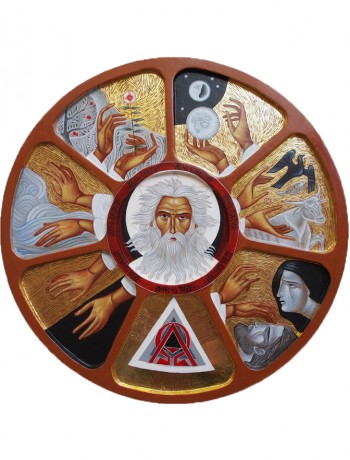
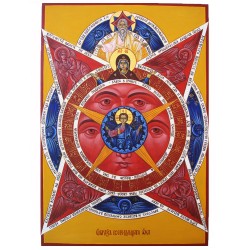
Икона "Окото на Провидението" - ръчно рисувана.Иконата се изработва по поръчка.Ръчно рисувана Православна икона,
представяща сложната богословска ком..
0.00€
Без данък:0.00€
С поръчка
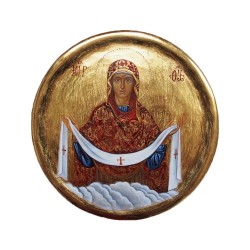
Икона „Покров Богородичен“- ръчно рисувана с 24-каратова полирана
позлатаИконата се изработва по
поръчка.Тази изключителна ръчно израб..
0.00€
Без данък:0.00€
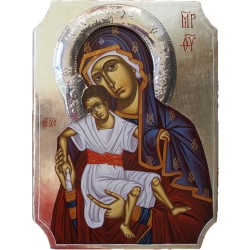

С поръчка
Икона „Света
Богородица Достойно Ест“- ръчно рисувана с полирано сребро, проба 925, и метален обковИконата се изработва по
поръчка.Тази из..
0.00€
Без данък:0.00€

С поръчка
Икона „Света Богородица Неопалима Къпина“- ръчно рисувана с
24-каратова полирана позлатаИконата се изработва по поръчка.Тази впечатляваща ръ..
0.00€
Без данък:0.00€

С поръчка
Икона „Света Богородица Неопалима Къпина“- ръчно рисувана с 24-каратова полирана
позлатаИконата се изработва по
поръчка.Тази впечатляваща ..
0.00€
Без данък:0.00€
Произход
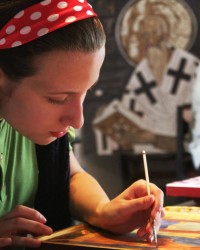
Изкуството на иконописта произхожда от дълбока древност.
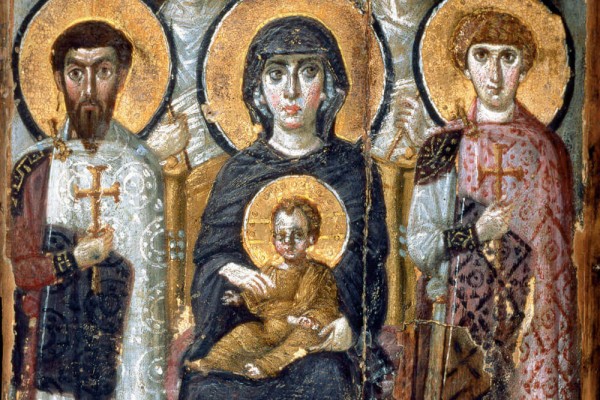
Първообразите на съвременните икони са така наречените „ Фаюмски портрети “ – погребални изображения от Древен Египет, датирани към периода I-IV век.
През IX век във Византийската империя окончателно са установени правилата за създаването на една икона, известни още като Православен канон. Той регламентира начина на изобразяване на светците и колорита, който заедно с позлатата, има символично значение.
Православните икони представляват силно стилизирани изображения със сакрална функция, които са тясно свързани с църковното богослужение.
Канонът, материалите и технологията на изработката им са останали непроменени през вековете.